Understanding RX3i System Health in Factory Automation
GE’s PACSystems RX3i is a powerful PLC. It is critical for many industrial automation processes. Maintaining its optimal health prevents costly downtime. System health monitoring ensures continuous operation. Diagnostic tools are essential for proactive maintenance. They provide real-time data about the system. Therefore, businesses save money and increase productivity. We must prioritize system reliability in factory automation.
Leveraging the Proficy Machine Edition for Diagnostics
The primary diagnostic tool is Proficy Machine Edition (PME). This software suite accesses the RX3i controller. PME provides a detailed system view. Users easily check the CPU status. Moreover, they can monitor all I/O modules. The “Controller Organizer” shows current system faults. Experts use PME to track communication status. This powerful software simplifies troubleshooting for control systems.
Utilizing Built-in RX3i Diagnostic Features
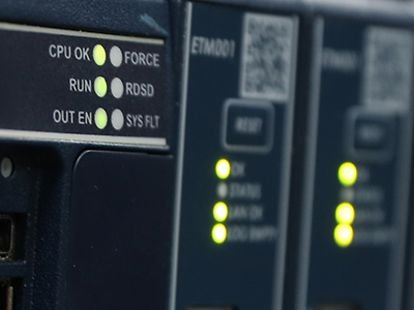
The RX3i controller includes integrated diagnostic capabilities. The Status LEDs on the CPU show operational state. A solid green light indicates normal operation. However, flashing or red lights signal a fault. Users should check the system error log. This log records historical and current issues. In addition, module-level diagnostics are available. These specific indicators pinpoint hardware failures quickly. This built-in functionality enhances reliability in complex PLC setups.
Advanced Monitoring: System Variables and Data Logging
Advanced monitoring involves tracking specific system variables. These variables provide detailed performance metrics. For example, users can track CPU scan time. Excessive scan time suggests a heavy load. Data logging records critical system parameters over time. As a result, engineers identify performance trends. This proactive approach prevents unexpected shutdowns. We must integrate these tools into any robust DCS environment. My professional insight suggests proactive logging is non-negotiable for system longevity.

The Importance of Communication Network Health
RX3i often uses PROFINET or Ethernet/IP networks. Network health is paramount for overall system performance. Diagnostics should check for packet loss and latency. Poor network performance directly affects control loop stability. Therefore, engineers must regularly verify cable integrity. Tools like network analyzers complement PME diagnostics. Reliable communication is the backbone of modern industrial automation. We observe many issues stem from poor network practice.
Author’s Insight: Embracing Predictive Maintenance
Many companies still rely on reactive maintenance. This approach is inefficient and costly. My advice: shift to a predictive maintenance model. Use the diagnostic data to predict component failure. For instance, monitor power supply voltage variations. Minor variations today can indicate a major failure tomorrow. This strategy minimizes unexpected production halts. Industry leaders embrace this data-driven philosophy. It represents the future of factory automation maintenance.
Application Case: High-Speed Packaging Line
A major food and beverage company uses the RX3i to control a high-speed packaging line. They implemented continuous diagnostic monitoring using PME. By tracking CPU load and specific I/O health parameters, they detected an intermittent power issue on a remote I/O drop before it caused a stoppage. Their proactive response saved an estimated 8 hours of lost production, proving the value of real-time health monitoring.

Enhance Your RX3i Reliability Today
Understanding and implementing these diagnostic strategies is key to operational excellence. For reliable, high-performance RX3i solutions and components, we highly recommend exploring the products and services offered by PLC Pioneer Limited.
Click here to see how PLC Pioneer Limited can support your industrial automation needs